Futures Trading
Futures trading involves buying or selling standardized contracts that obligate the exchange of an underlying asset.
What is Futures Trading?
Unlike other exchanges such as stock markets, the futures market trading day operates for almost 24 hours a day, 5 days a week. The CME Group is the most recognised futures exchange in the world. It consists of a number of conglomerates including the Chicago Mercantile Exchange (CME), Chicago Board of Trade (CBOT), and New York Mercantile Exchange (NYME) among others. Outside of the United States, the National Stock Exchange of India (NSE) is the global leader based on the number of futures contracts exchanged.
These exchanges offer a wide range of tradable products including interest rates, stock indexes, currencies and alternative investment products, such as weather and real estate. One of the key drivers of the futures markets is commodities, both soft and hard. Hard commodities consist of natural resources such as precious metals, crude oil, and natural gas. In contrast, soft commodities comprise agricultural produce and livestock. Soybeans, wheat, corn and coffee are among the most traded soft commodity futures.
What is a Futures Contract?
A futures contract is a legal agreement to buy or sell a commodity or financial instrument at a specific price at a future date. The purchase or sale may occur at or before the expiration date of the contract. They can be purchased over-the-counter (OTC) or through regulated exchanges. Since the global financial crisis there has been an increase in regulation of futures contracts with the Commodity Futures Trading Commission (CFTC) recognised as the global standard for regulation.
What Are Futures CFDs?
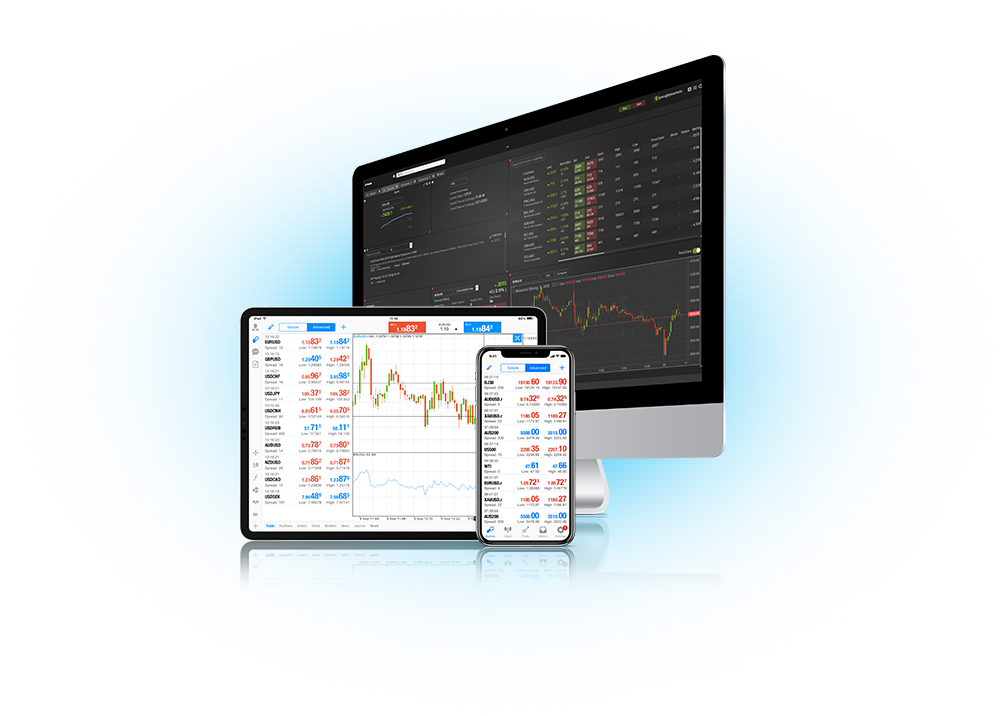
Courtesy of technological advancements, there is now another way to access futures markets known as Contracts for Difference (CFDs). Unlike futures contracts that trade via a futures exchange, futures CFDs are traded over-the-counter through a network of brokers and other financial institutions. This is made possible through specifically designed online trading platforms such as MetaTrader 4, MetaTrader 5.
With futures CFDs, investors and speculators can benefit from price movements in both directions. Similar to most financial markets, traders are able to open a long position and benefit from rising prices. What makes CFDs unique is that traders are able to take a short position and extract profits from falling market prices. This is also beneficial for the purposes of hedging against risk for those who are looking to limit risk exposure at times of high market volatility. A large pool of liquidity providers and real-time pricing makes this a viable option for hedgers using risk management strategies.
Futures CFDs can only be traded during the open market hours of the relevant exchange on which the underlying financial product is traded. As the underlying asset is not actually purchased, not physical delivery is not required.